
Vermont wine regions
Vermont's Champlain Valley runs along Lake Champlain's eastern shore, where growers favor cold-hardy hybrid grapes. Cruv maps the wineries and shows who is open now.
15+ places in Cruv · 10+ upcoming events · 1 wine region


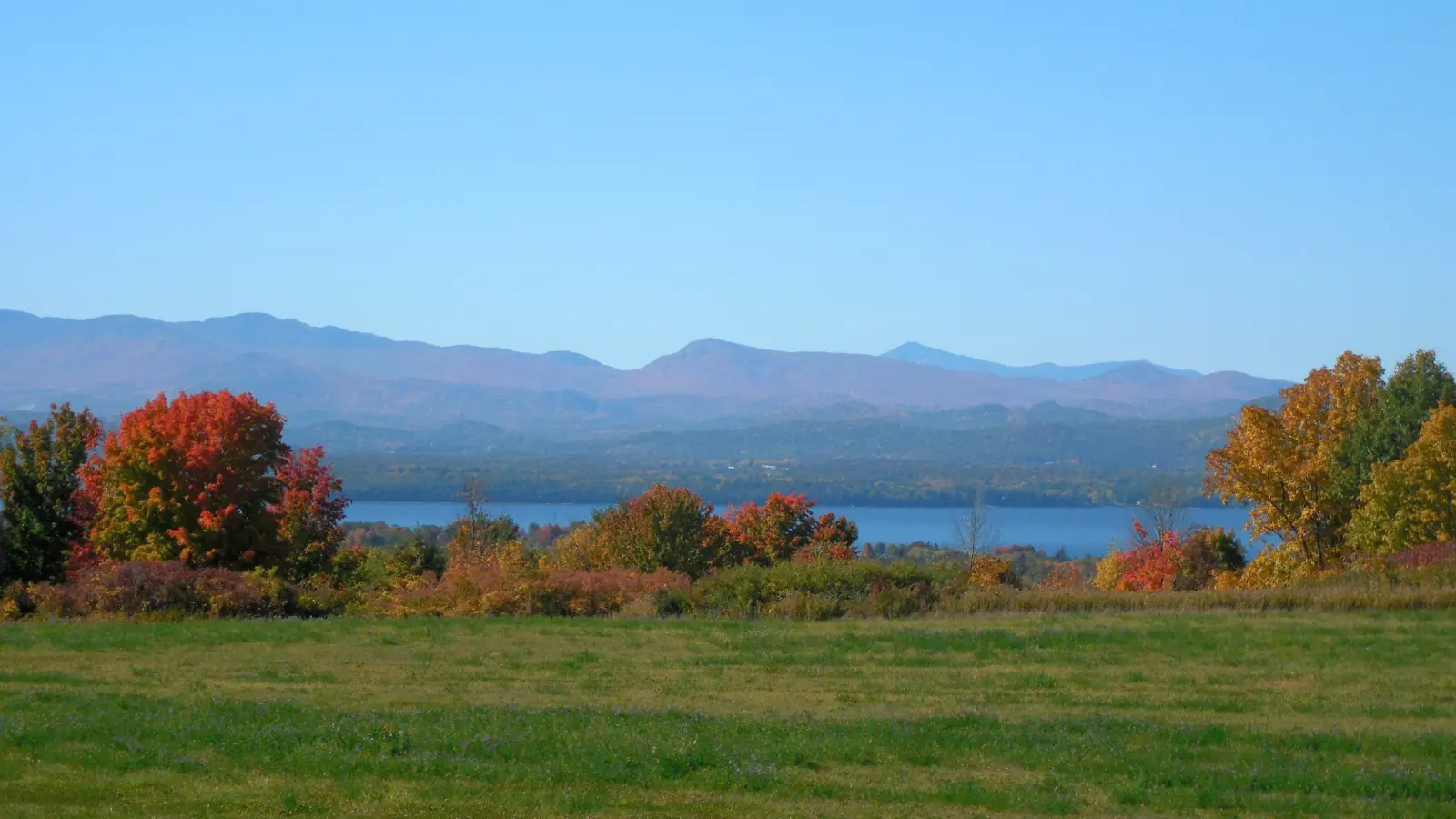
Vermont's Champlain Valley runs along Lake Champlain's eastern shore, where growers favor cold-hardy hybrid grapes. Cruv maps the wineries and shows who is open now.
15+ places in Cruv · 10+ upcoming events · 1 wine region
9 places in Cruv
Champlain Valley runs along Lake Champlain's eastern shore, from the Canadian border south into Rutland County. Vineyards mainly grow cold-hardy hybrid grapes, and the lake moderates the climate.

Vermont's cold winters favor cold-hardy hybrid grapes. The Vermont Grape and Wine Council, a nonprofit cooperative of wine producers, cites Marquette, Frontenac and La Crescent as examples of regional grapes.
Red
Marquette is a red hybrid from the University of Minnesota's breeding program, grown in the Champlain Valley. The council describes cherry, berry and black pepper notes, with greater structure and tannin than many other cold-climate reds.
Red
Frontenac is a red hybrid, listed as Frontenac Noir among the Champlain Valley's main plantings. The council calls it extremely cold-hardy, able to survive lows of 30 degrees below zero Fahrenheit, with cherry, berry and plum aromas.
White
La Crescent is a white hybrid from the University of Minnesota, listed among the Champlain Valley's main plantings. One of the whites the council features, it shows apricot and stone-fruit aromas and balanced acidity.
White
Frontenac Blanc is a white variant of Frontenac, listed with Frontenac Gris among the Champlain Valley's main plantings. The council describes aromas of citrus and pineapple, bright acidity and good texture.